Portfolio
Here you will find a collection of my work samples.

I designed a complete course on behavior management approaches for neurodivergent early elementary classrooms using Rise 360. This course includes an introduction, a lesson titled “What is Neurodiversity?,” a lesson about proactive behavior management approaches, a lesson about reactive behavior management approaches, and a final assessment. Lessons include a variety of content types, including interactive blocks, embedded videos, scenario-based eLearning, and formative and summative assessments.
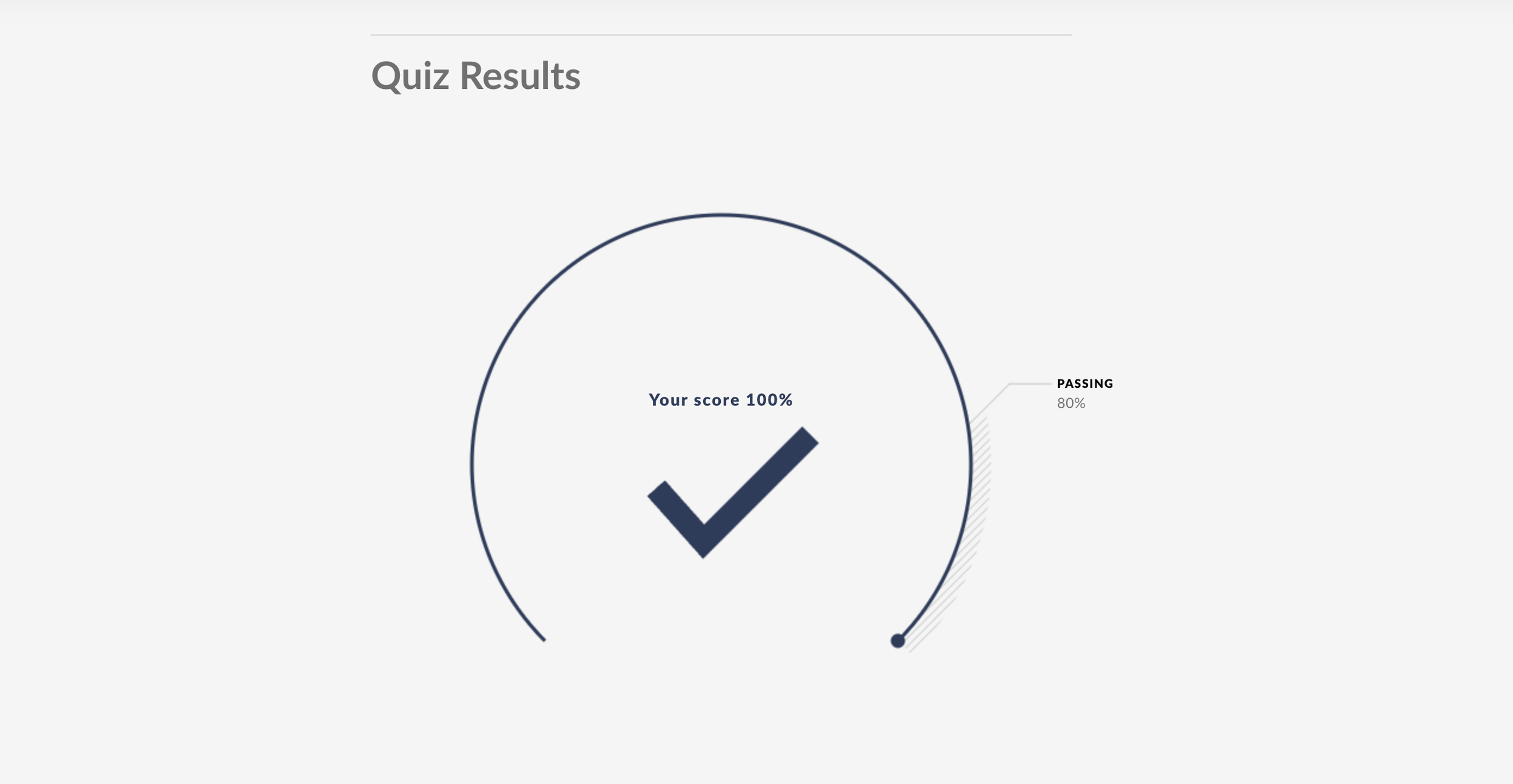
I designed several assessments in Rise 360 relating to the content in my eLearning course regarding behavior management approaches for neurodiverse classrooms. This includes is a formative knowledge check aligned with each lesson of the course, and a summative assessment spanning all course content.

I designed and developed an eLearning module in Articulate Storyline 360 to introduce middle school teachers to practical social-emotional learning (SEL) tools they can implement in their classrooms. This module features a clickable diagram of the CASEL Wheel that I created using Storyline’s hotspot tool. As learners explore each section, definitions and strategies are revealed through a variety of interactions. The module concludes with a knowledge check to assess learners’ progress. This project helped me get my footing in translating evidence-based frameworks into engaging, teacher-friendly e-learning experiences.
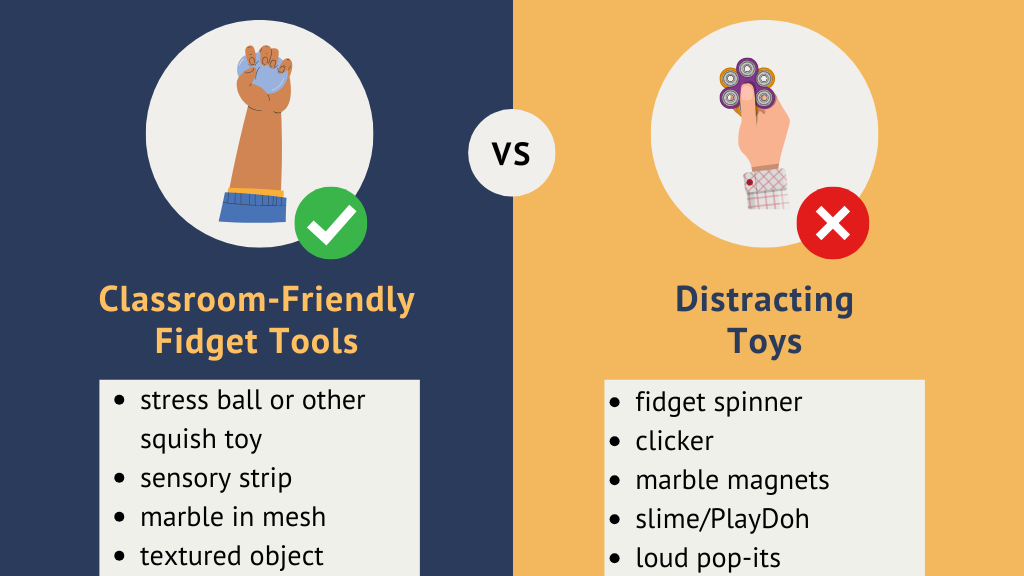
I used Canva to create a chart that helps teachers understand which types of fidget items might be helpful in a classroom setting, and which might be used as toys rather than tools. This image is included as part of the Reactive Approaches lesson in my eLearning about behavior management in a neurodiverse classroom.

I created a style guide for an eLearning module about best practices for kindergarten-2nd grade teachers in student support and behavior management for neurodivergent learners. I determined a custom color scheme based on the school’s logo and selected text and sizing to make it legible for all users. My goal for the formatting of this learning experience is to make it simple to navigate and accessible to any type of learner.
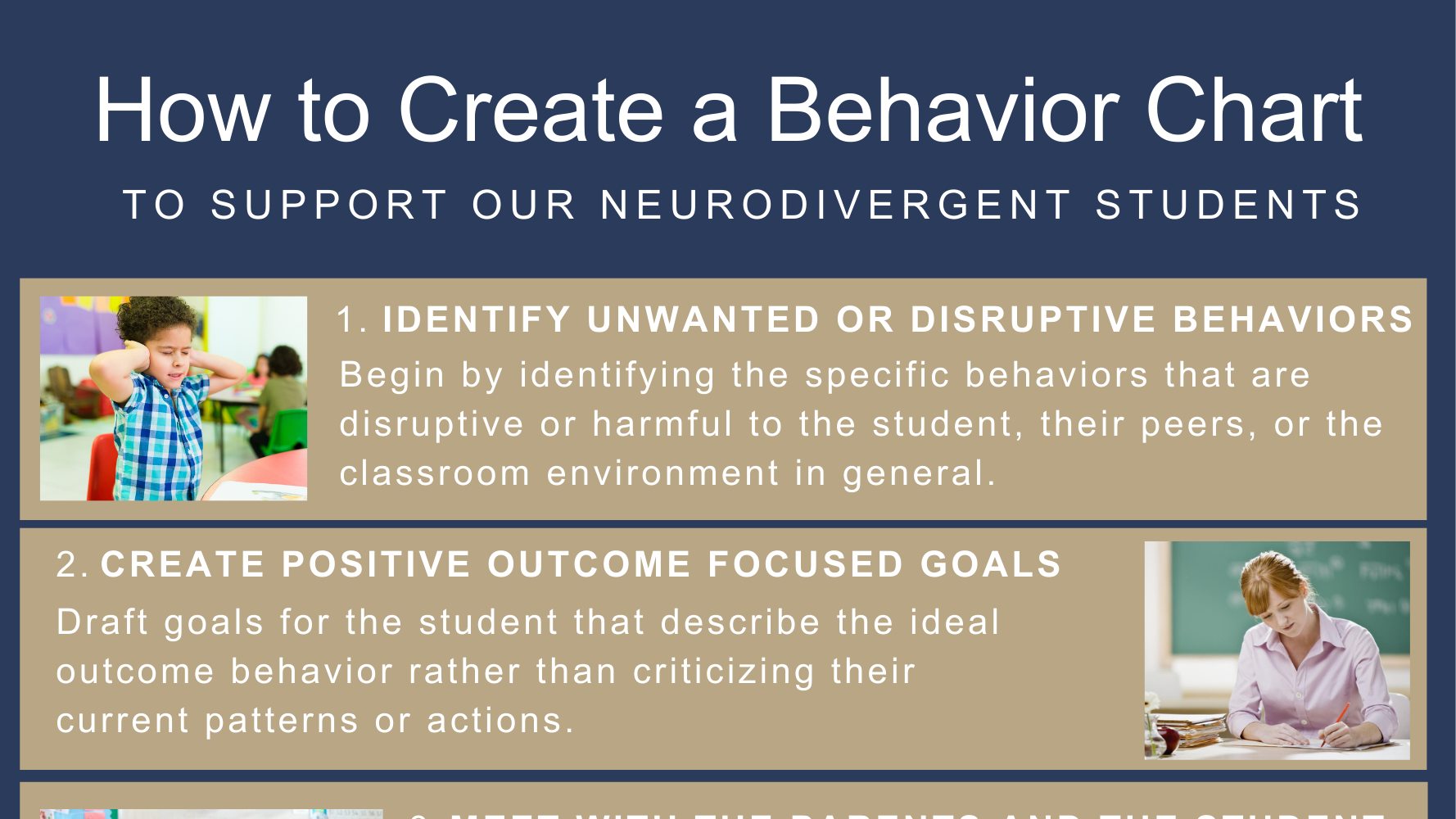
Using Canva, I designed a Job Aid as a reference for teachers to use when creating behavior charts. I wrote a summary of each step, and selected images to illustrate each component of the process. This job aid is included as a part of the Reactive Approaches lesson in my eLearning about behavior management in a neurodiverse classroom.
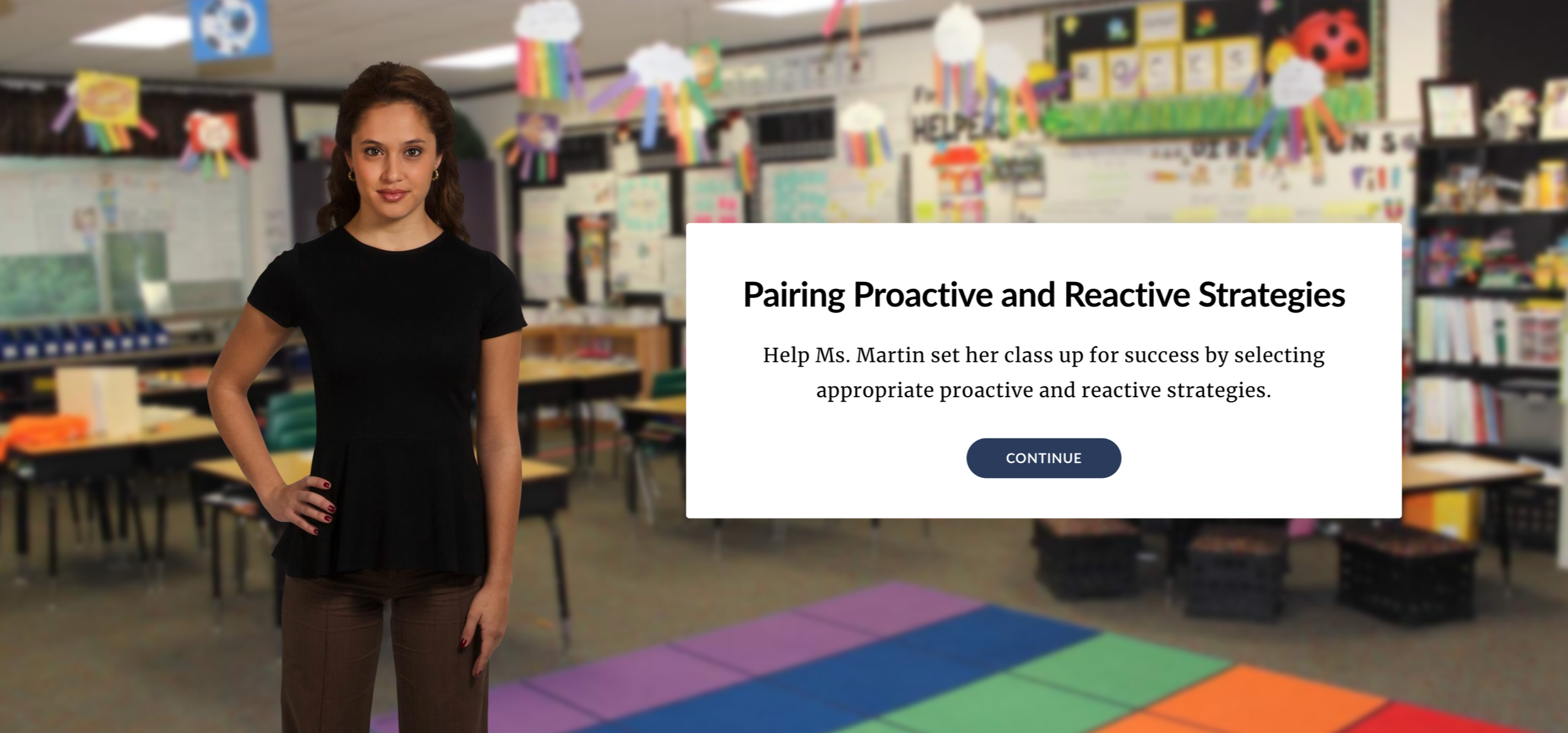
I created three scenario-based eLearning blocks in Rise 360 to help learners practice applying course content to fictional but realistic classroom scenarios. The first relates solely to proactive approaches, namely lesson planning using Universal Design for Learning guidelines. The second focuses on reactive approaches, involving two opportunities to make application decisions. Finally, the third scenario requires applying both proactive and reactive approaches.
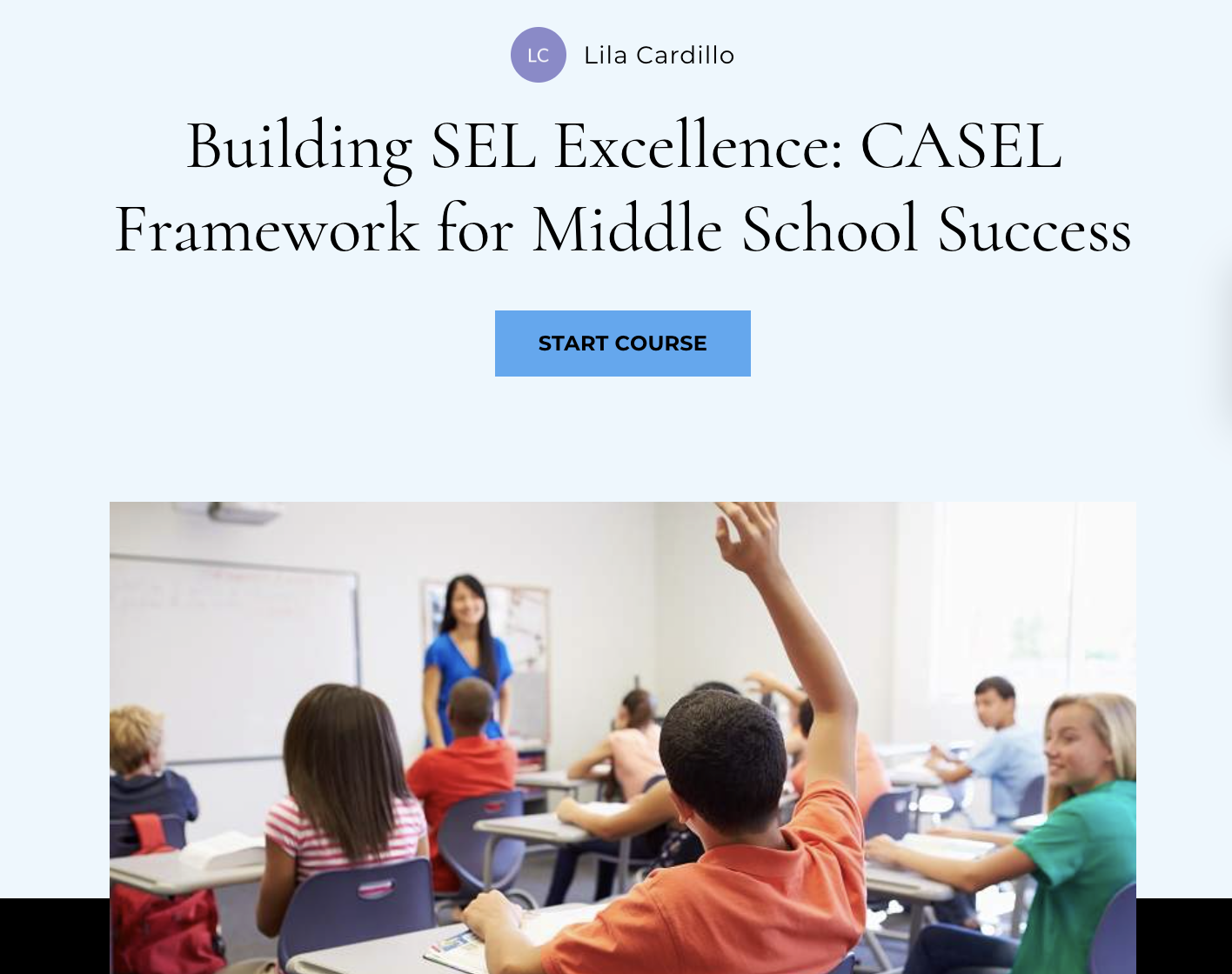
I created an eLearning module in Rise 360 to help middle school teachers integrate social-emotional learning (SEL) tools into their daily instruction. Using Rise’s interactive blocks including flashcards, accordion and tabs sections, and knowledge checks, I built an experience that promotes exploration, active engagement, and clear application of SEL concepts. Through my exploration of Rise 360, my aim was to develop a learning experience that will help teachers learn and interact with new material without being bogged down by excessive graphics or functions to click through.

I laid out a storyboard for two lessons of a Rise 360 eLearning module focused on behavior management and student support strategies for kindergarten–2nd grade teachers, with an emphasis on best practices for neurodivergent learners. The storyboard provides information on the necessary blocks, formatting, and content for the course’s introduction lesson as well as a lesson on proactive approaches that teachers can engage in their classrooms.